
Airport Sustainability
Energy Efficiency in Airports: Where the Energy Goes
A map of airport energy use across terminals, airside and landside systems, with normalised indicators, a worked baseline example and practical priorities.
Independent, technically careful writing on energy efficiency in buildings and infrastructure, airport energy management, renewable energy, batteries and electric mobility.
A map of airport energy use across terminals, airside and landside systems, with normalised indicators, a worked baseline example and practical priorities.
Every formula, unit and default value is visible and editable, so you can check the arithmetic yourself.
This domain was the home of CASCADE, a European research project on information and communication technology for energy-efficient airports. Our archive documents what the project set out to do, how it worked and what it published, based on public records.

From the first Framework Programme in 1984 to Horizon Europe: how EU energy research funding evolved, how its instruments changed, and an FP7 example.

How the seven levels of Airport Carbon Accreditation work, from carbon footprint mapping to Level 5 net zero, what each requires, and how airports progress.
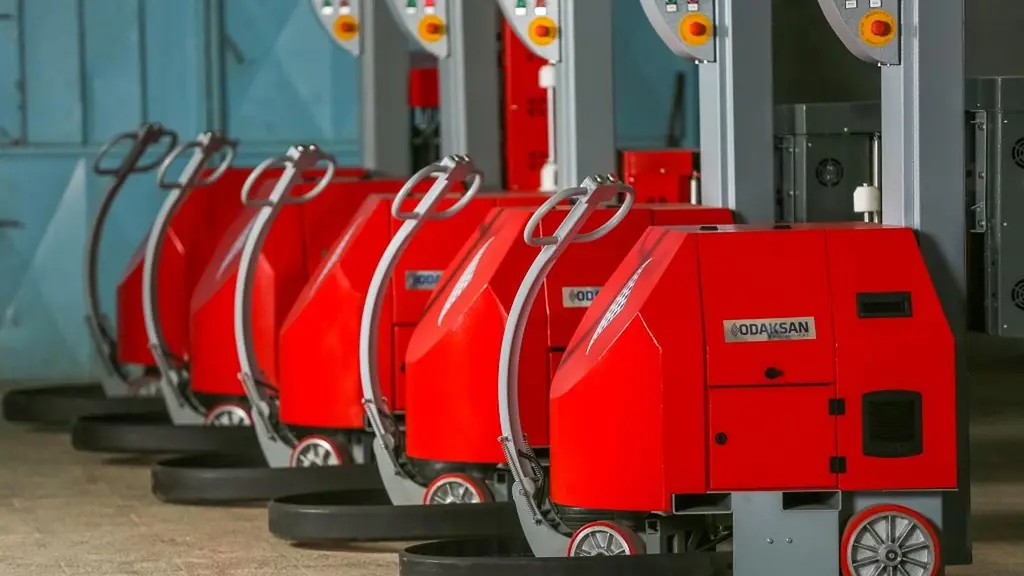
How electric ground support equipment, fixed 400 Hz power and pre-conditioned air replace diesel and APU use, with grid, charging and safety considerations.
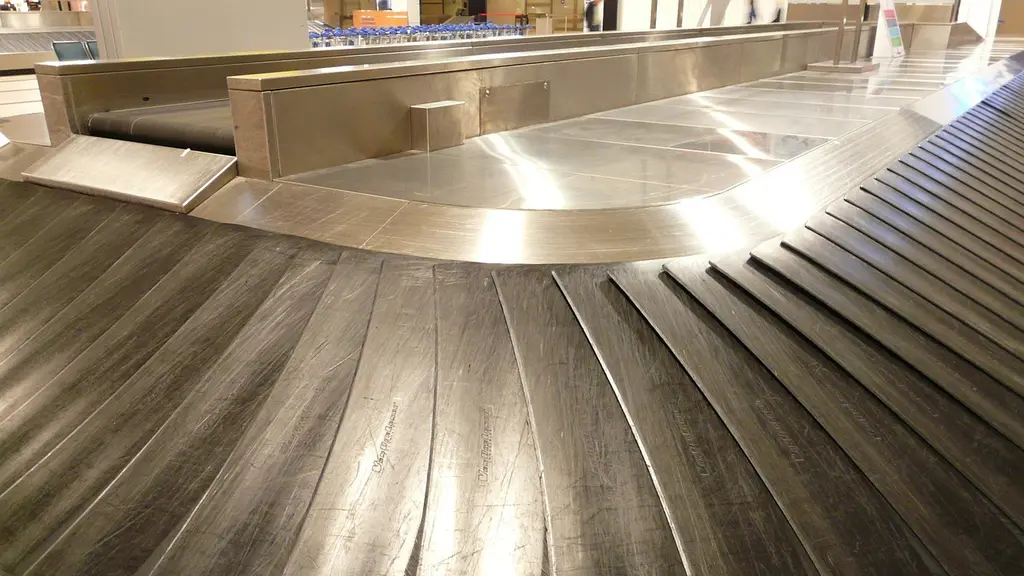
Where baggage handling systems use energy, why idle running dominates, and how stop-start control, efficient gearmotors, drives and monitoring cut consumption.

Why lithium-ion batteries lose capacity: calendar and cycle ageing, SEI growth, lithium plating, stress factors, Euro 7 durability rules and lifecycle planning.

What heat does to lithium-ion batteries: short-term performance, accelerated ageing, safety margins, fast-charging heat and practical care in hot climates.