
Research & Publications
A Short History of EU Energy Research Programmes
From the first Framework Programme in 1984 to Horizon Europe: how EU energy research funding evolved, how its instruments changed, and an FP7 example.
Every article published on Cascade, newest first: energy efficiency, smart buildings, airports, renewables, batteries, mobility and research.
From the first Framework Programme in 1984 to Horizon Europe: how EU energy research funding evolved, how its instruments changed, and an FP7 example.

How the seven levels of Airport Carbon Accreditation work, from carbon footprint mapping to Level 5 net zero, what each requires, and how airports progress.
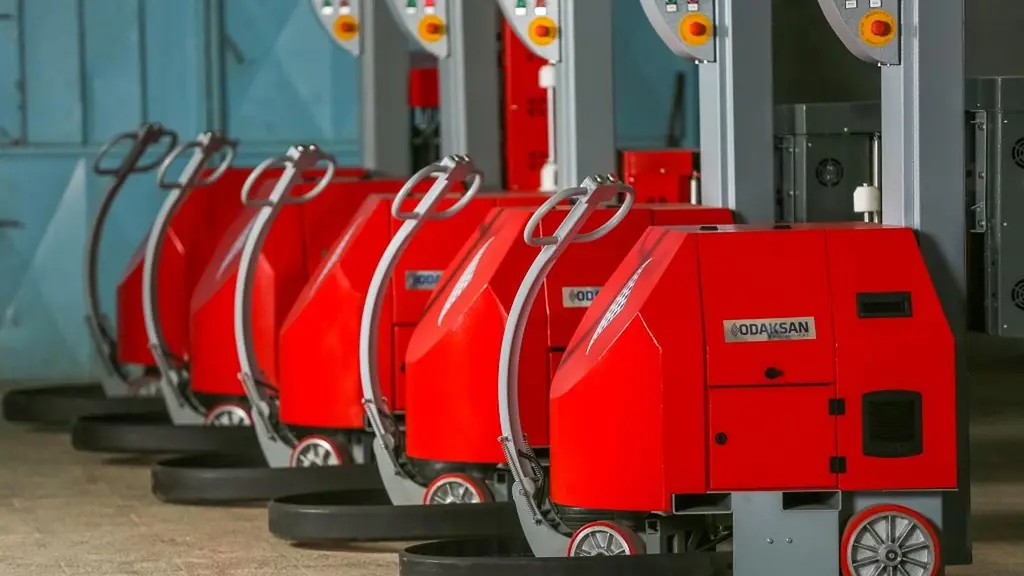
How electric ground support equipment, fixed 400 Hz power and pre-conditioned air replace diesel and APU use, with grid, charging and safety considerations.
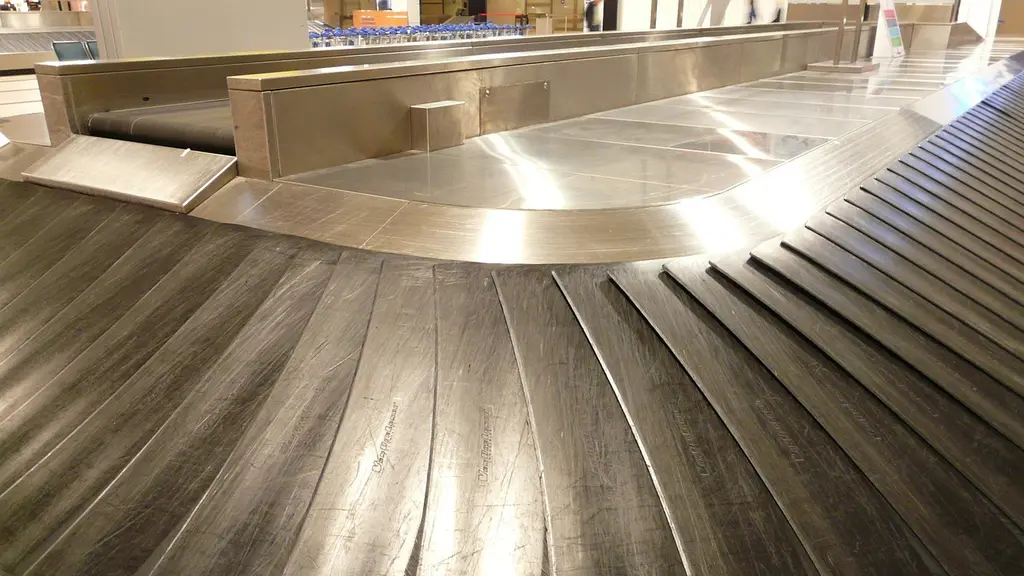
Where baggage handling systems use energy, why idle running dominates, and how stop-start control, efficient gearmotors, drives and monitoring cut consumption.
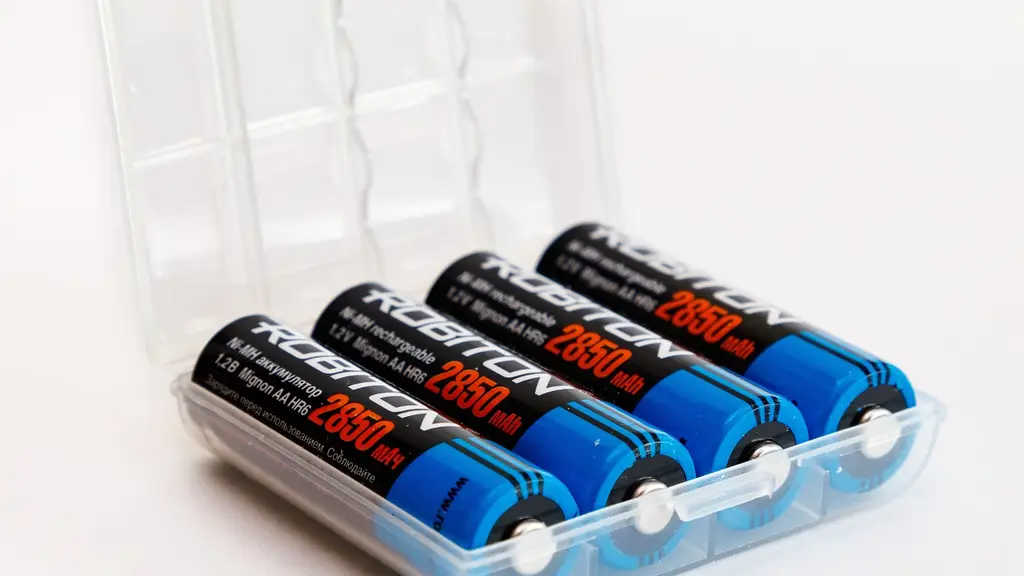
Why lithium-ion batteries lose capacity: calendar and cycle ageing, SEI growth, lithium plating, stress factors, Euro 7 durability rules and lifecycle planning.

How a battery management system senses, estimates, protects and balances lithium-ion packs, from SoC and SoH algorithms to EU data-access rules and ISO 26262.

What heat does to lithium-ion batteries: short-term performance, accelerated ageing, safety margins, fast-charging heat and practical care in hot climates.
How lithium-ion thermal runaway starts and spreads, the abuse conditions behind it, the standards that test for it and the layers of protection that prevent it.

How to benchmark building energy use fairly: EUI calculation, floor-area and weather pitfalls, ENERGY STAR, UK Display Energy Certificates and CIBSE TM46.

How building energy simulation engines work, how EnergyPlus, TRNSYS, ESP-r, IDA ICE and Modelica compare, and how to judge validation and calibration.

A practical engineering guide to the circular economy: core principles, inner and outer loops, design for disassembly, EU ecodesign rules and pitfalls.
What power usage effectiveness measures and misses, where data centre overhead energy goes, and how cooling, power chains and heat reuse cut consumption.