Smart Cities
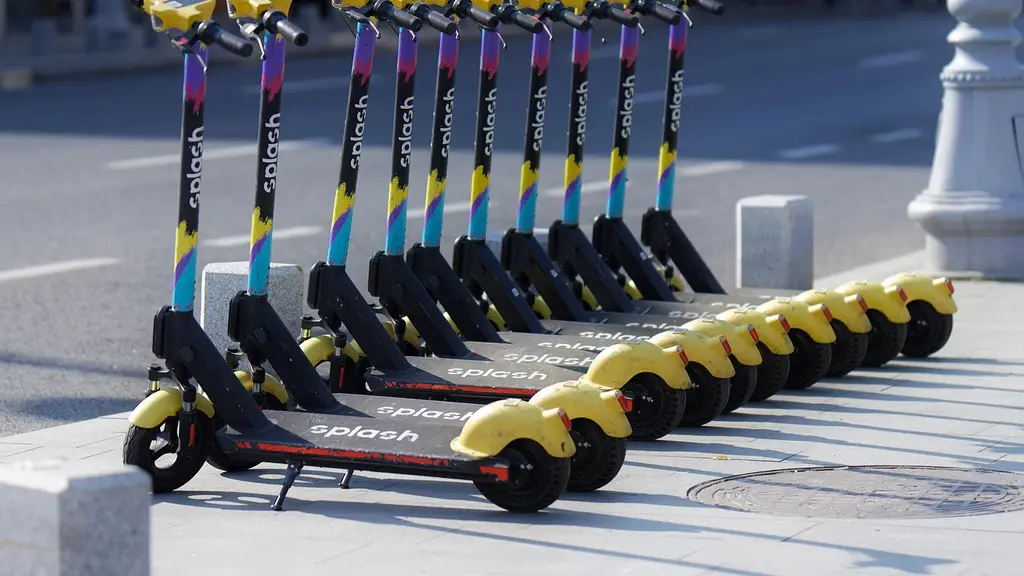
Smart Cities and Micromobility
E-scooters and e-bikes use very little energy per kilometre, but lifecycle impacts, operations and data decide their value. A guide for city planners.
Urban data, micromobility, street design and the systems that make cities efficient and liveable.
E-scooters and e-bikes use very little energy per kilometre, but lifecycle impacts, operations and data decide their value. A guide for city planners.

Why cities run hotter than their surroundings, how heat islands raise cooling energy and stress transport systems, and which engineering responses work best.
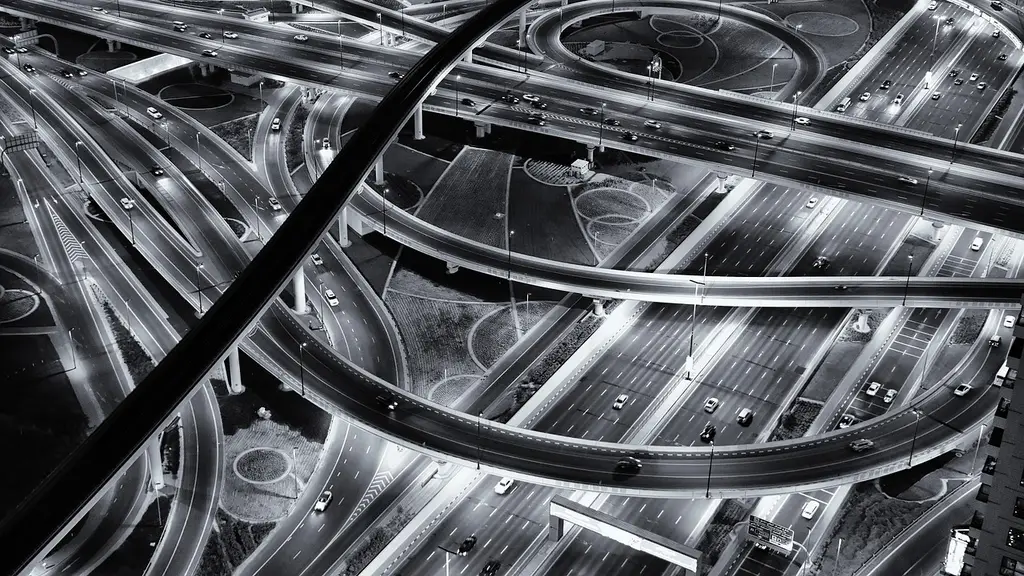
How signal timing, coordination and adaptive control cut stops, idling and energy use, with worked examples, LED signal savings and bus and cycle priority.
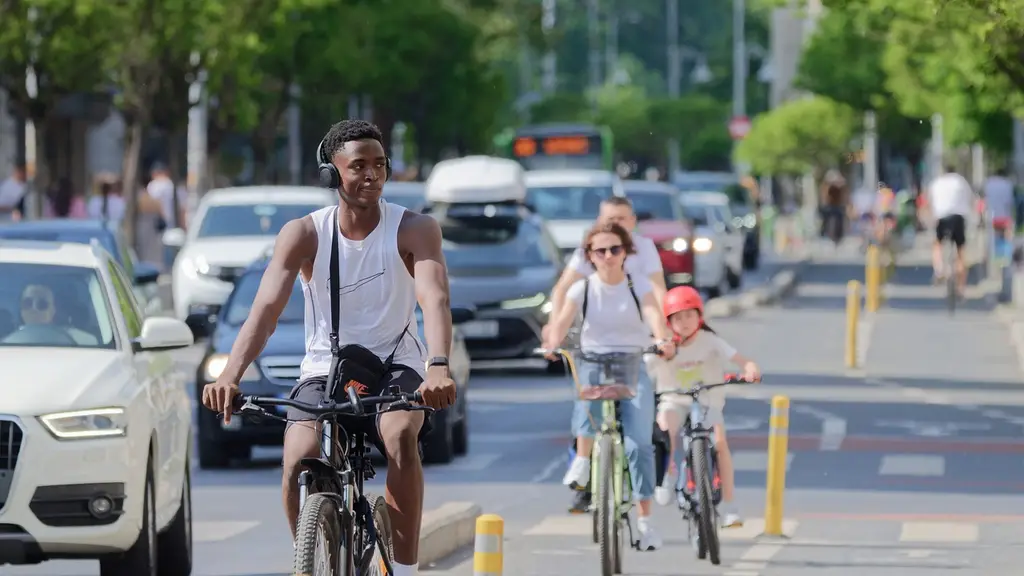
What makes cycle networks get used: CROW, LTN 1/20 and NACTO principles, separation by traffic speed and volume, junctions, parking and the energy payoff.

City data platforms can link energy, mobility and environmental data. Architecture, open standards such as NGSI-LD, energy use cases and the common pitfalls.