Environmental Engineering
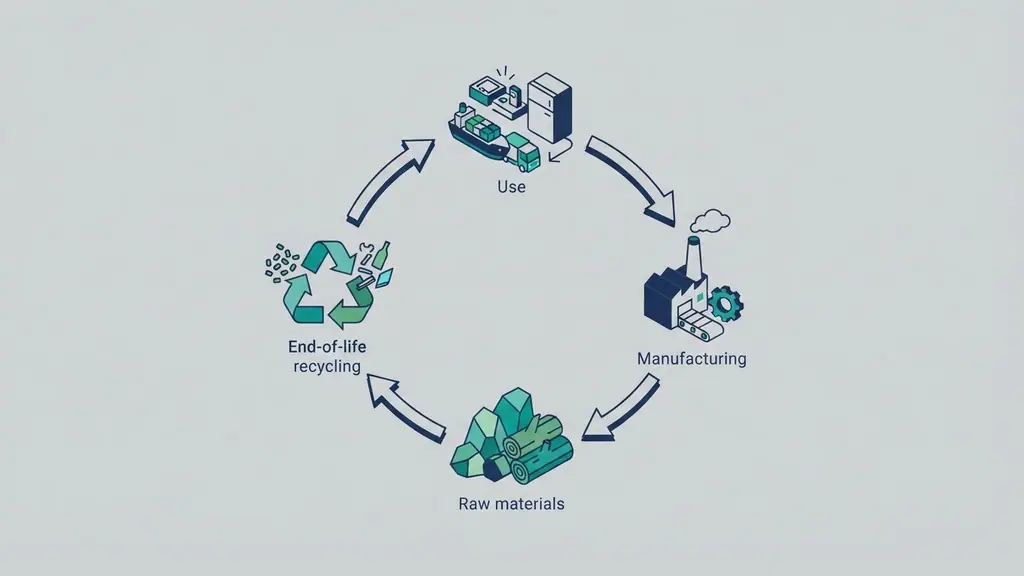
Lifecycle Assessment Explained
How lifecycle assessment works under ISO 14040 and 14044: goal and scope, inventory, impact assessment and interpretation, with a worked pump example.
Every article published on Cascade, newest first: energy efficiency, smart buildings, airports, renewables, batteries, mobility and research.
How lifecycle assessment works under ISO 14040 and 14044: goal and scope, inventory, impact assessment and interpretation, with a worked pump example.
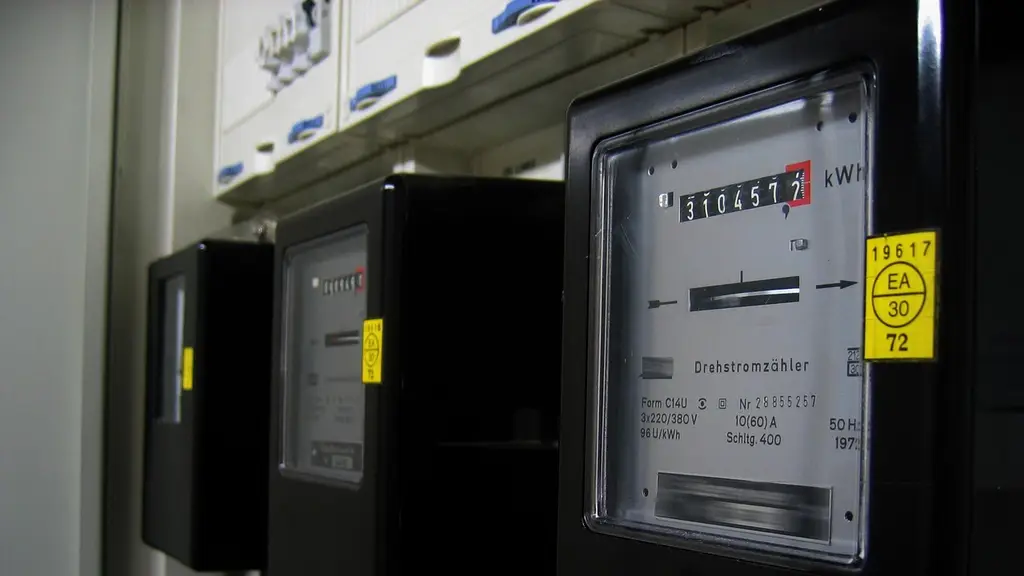
Savings cannot be metered directly. This guide explains baselines, IPMVP options A to D, regression models, ASHRAE Guideline 14 fit criteria and M&V plans.
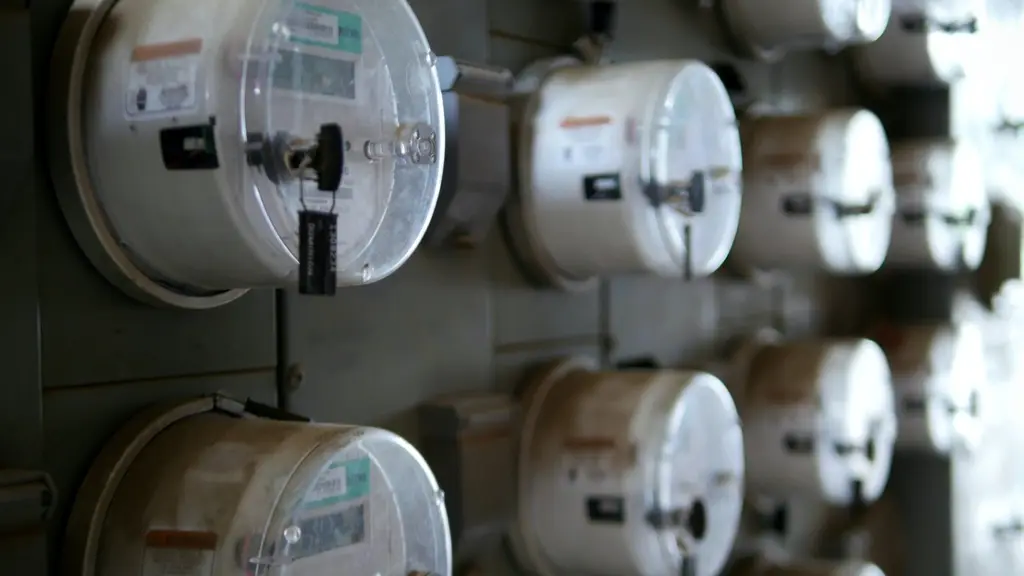
How to turn utility bills, smart-meter interval data and sub-meters into useful insight: base load, weather normalisation, CUSUM and a monitoring routine.
Why open data and code matter in energy research, how the FAIR principles apply, key public datasets, licensing and privacy, and a data-sharing checklist.
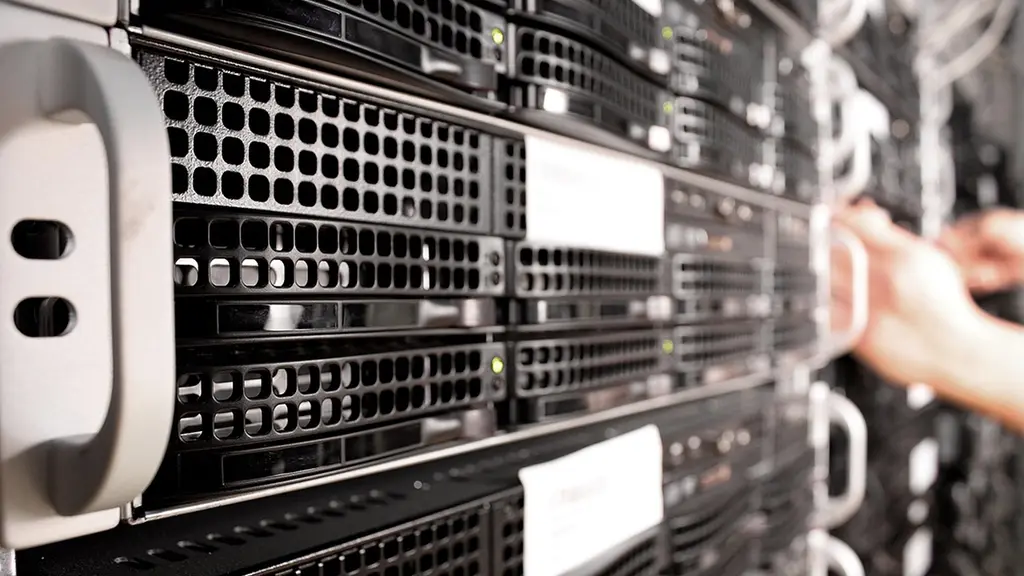
Predictive maintenance for HVAC plant: the P-F interval, vibration, thermography and BMS trend techniques, the energy cost of degradation and a roadmap.
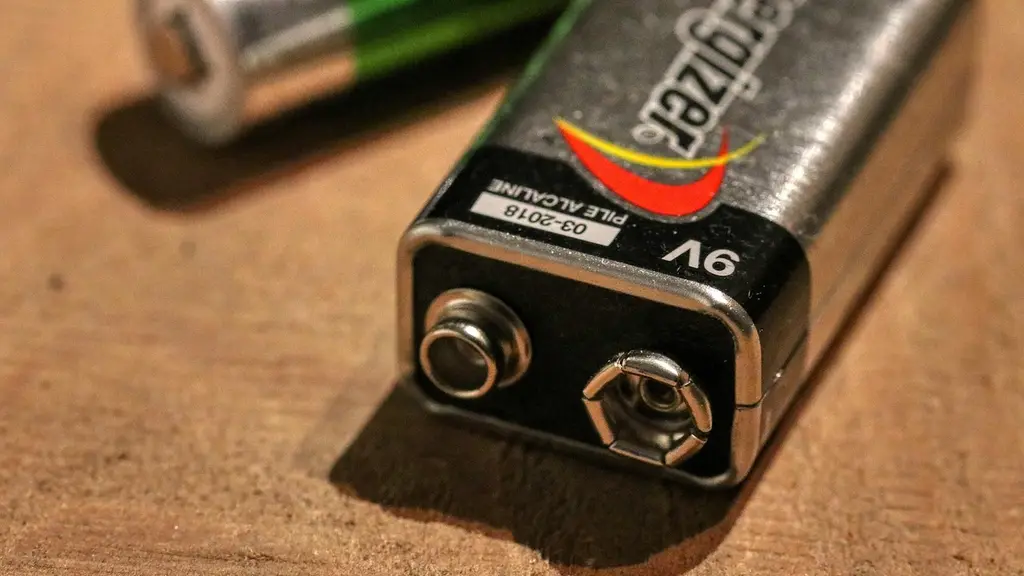
How lithium-ion batteries are collected, dismantled and recycled: black mass, pyro-, hydro- and direct recycling, plus EU recovery and recycled-content targets.
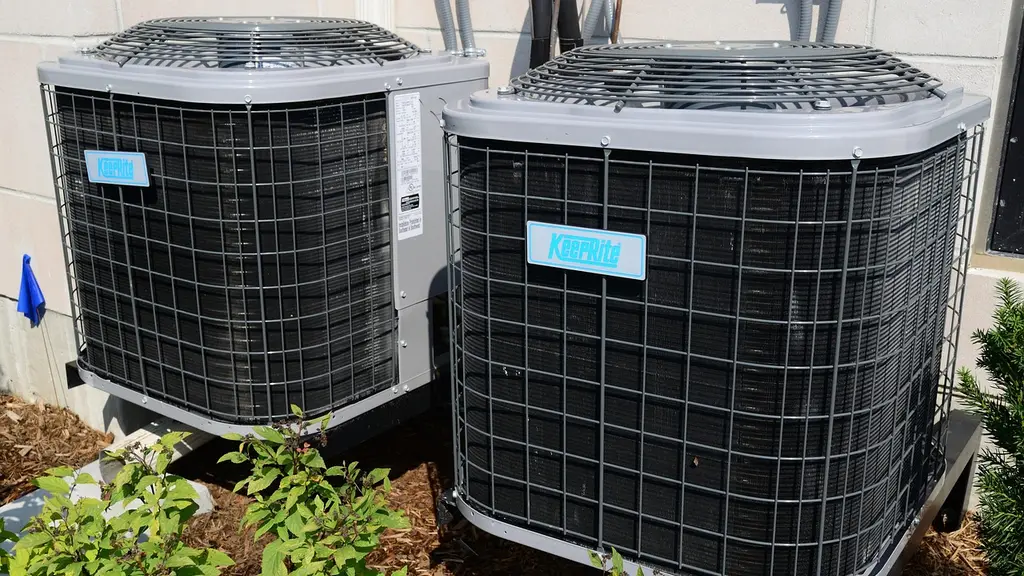
How refrigerants affect climate, what the Kigali Amendment and EU F-gas Regulation 2024/573 require, and how natural refrigerants compare on GWP and safety.
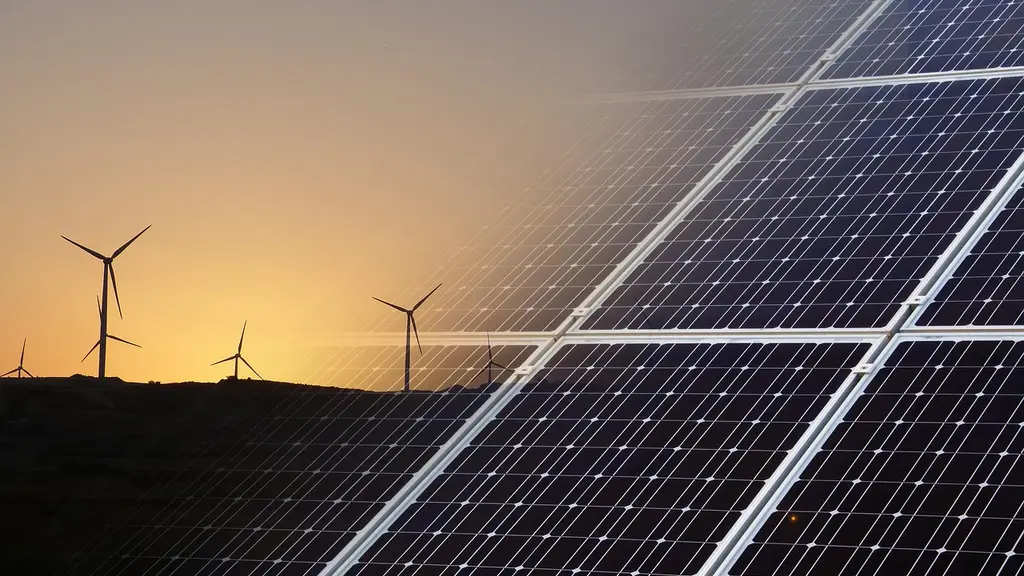
The physics, key equations and practical limits of solar, wind, hydro, geothermal, bioenergy and heat pumps, with capacity factors and worked examples.
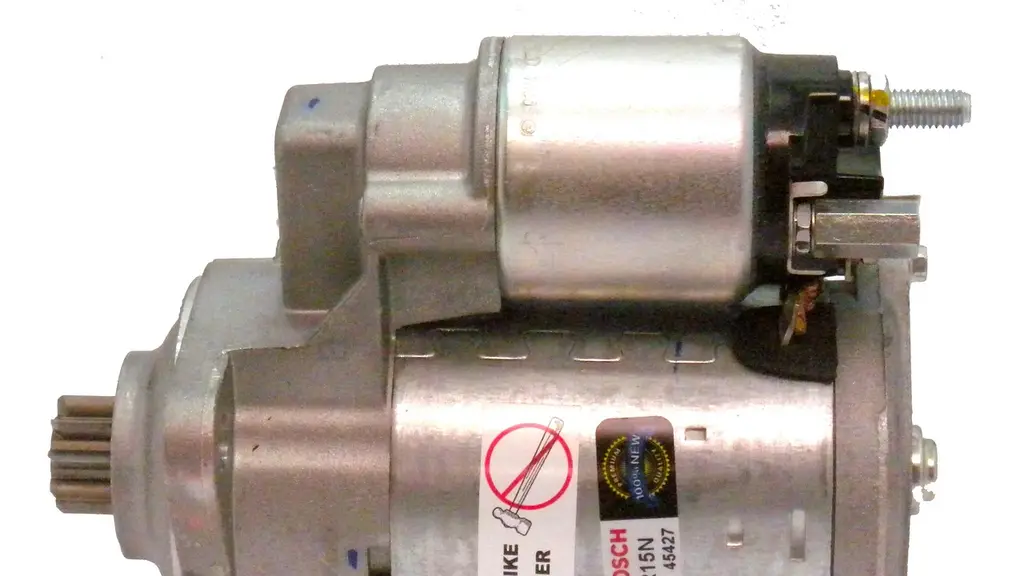
When does repairing equipment beat buying a more efficient model? A carbon payback method, worked examples for appliances and motors, and the EU repair rules.
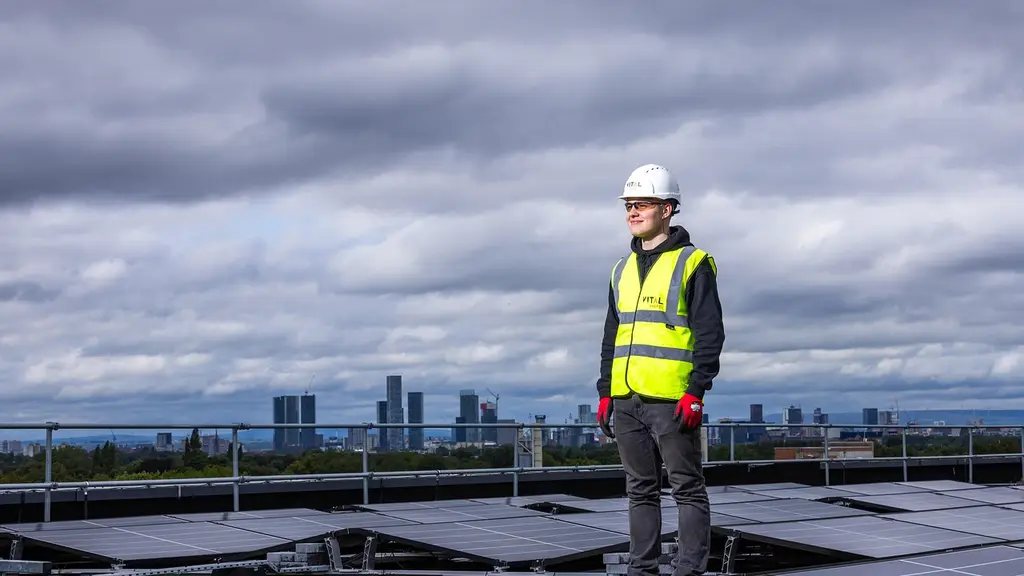
How much a rooftop PV system really produces: specific yield by location, orientation and tilt losses from PVGIS, performance ratio and self-consumption maths.

How to set boundaries and calculate Scope 1, 2 and 3 emissions under the GHG Protocol, with location- and market-based Scope 2 and a worked inventory example.
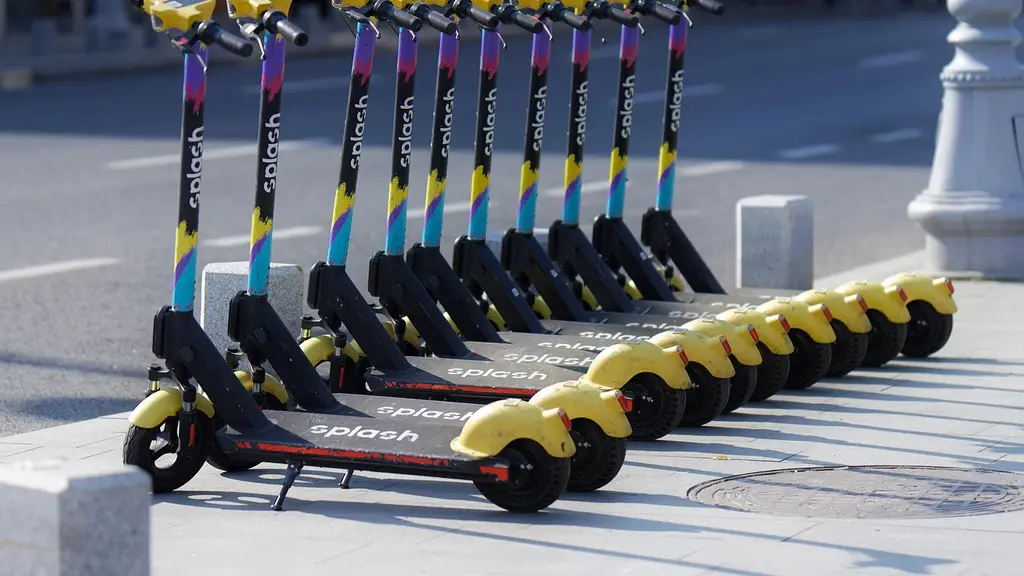
E-scooters and e-bikes use very little energy per kilometre, but lifecycle impacts, operations and data decide their value. A guide for city planners.