
Smart Buildings
Smart Sensors for Energy Management
Choosing, placing and maintaining sensors for building energy management: sensor types, wireless options, battery life, CO₂ drift, metadata and security.
Every article published on Cascade, newest first: energy efficiency, smart buildings, airports, renewables, batteries, mobility and research.
Choosing, placing and maintaining sensors for building energy management: sensor types, wireless options, battery life, CO₂ drift, metadata and security.
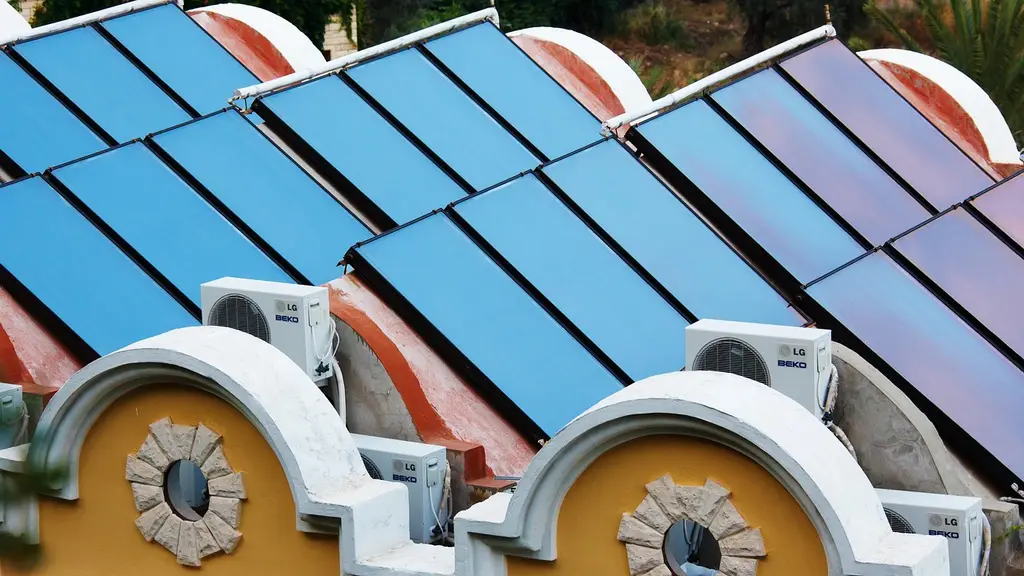
How solar thermal collectors work, how to read the collector efficiency equation, sizing for hot water, solar fraction, Legionella control and industrial uses.
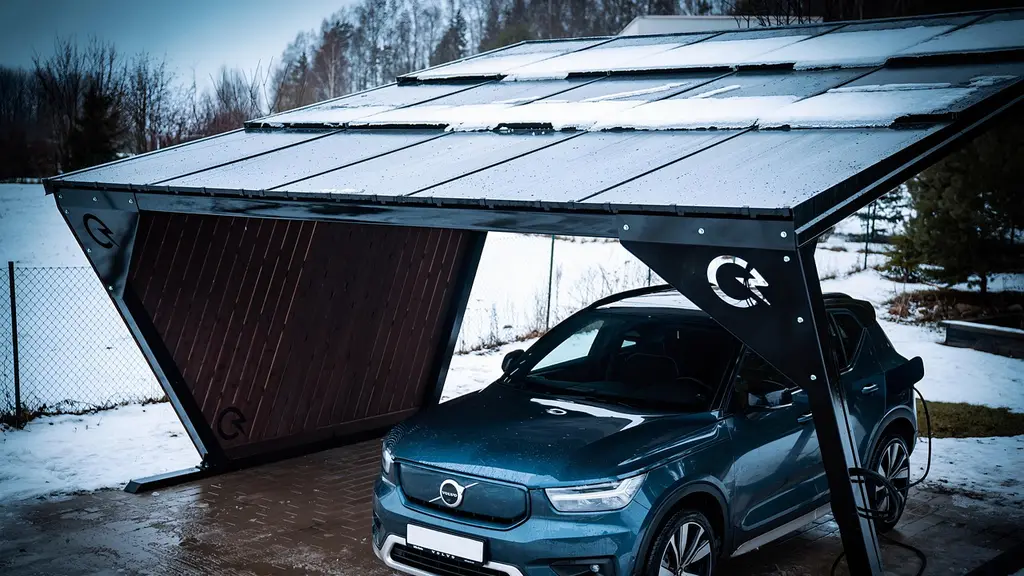
How solar carports and PV-linked EV charging work: sizing per parking space, seasonal yield in Europe and the Gulf, system architectures and smart control.
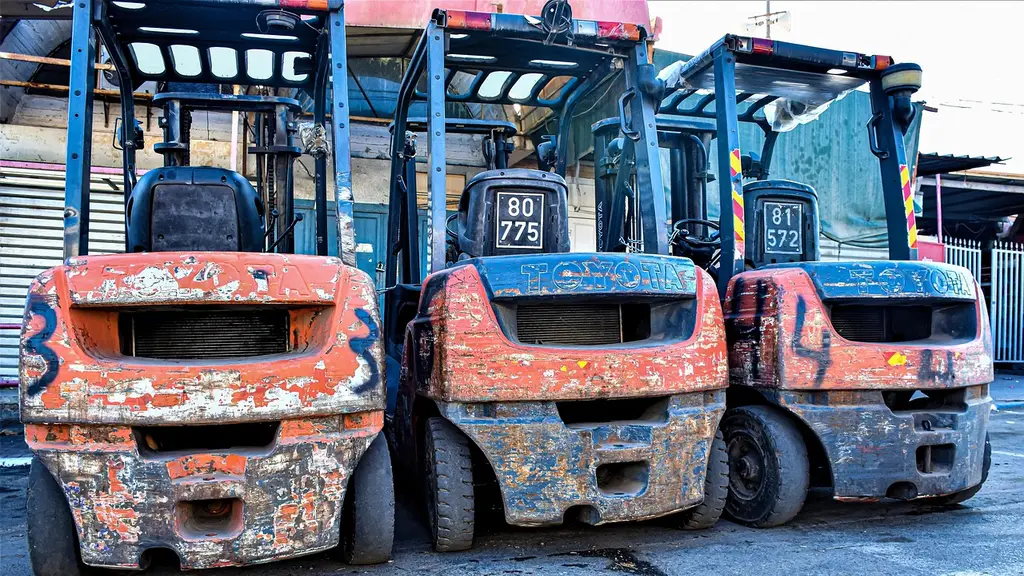
Maintenance is an energy lever for fleets: tyres, lubricants, brakes, EV battery care and workshop energy, with a worked example of what neglect costs.
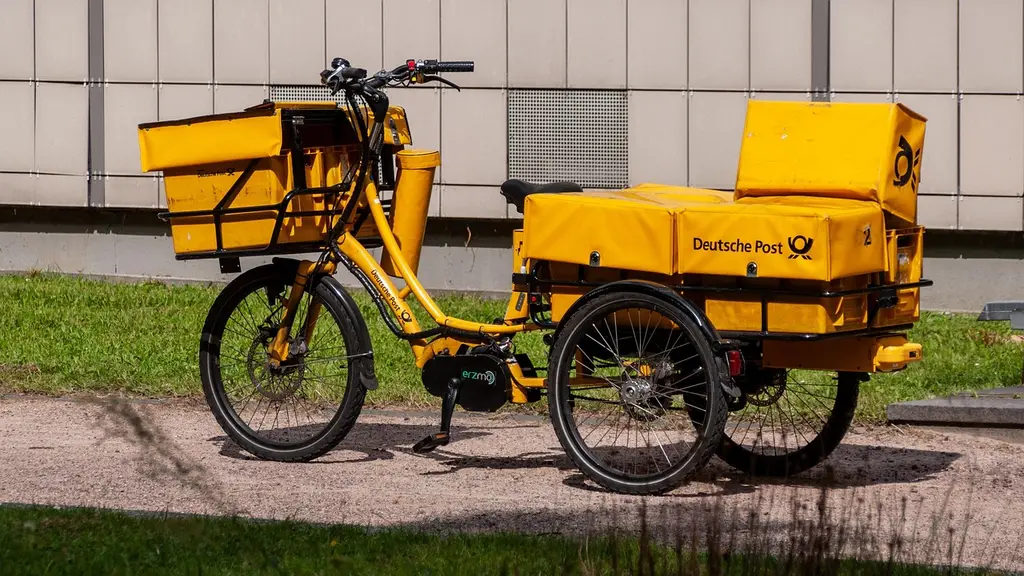
How the final leg of urban delivery uses energy, and how electric vans, cargo bikes, micro-hubs and smarter routing cut kilowatt-hours per parcel.

How lifecycle thinking, efficiency-first design, system integration and resilience turn urban networks for water, heat, power and mobility into durable assets.
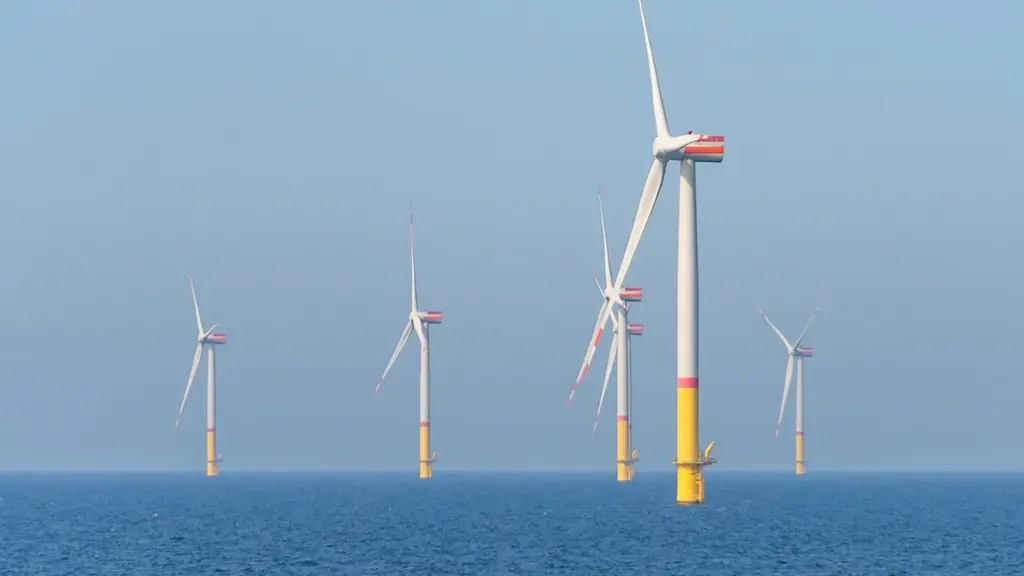
Classroom ideas for teaching energy and sustainability to secondary and university students: measurement activities, heat-loss maths and data projects.

Why cities run hotter than their surroundings, how heat islands raise cooling energy and stress transport systems, and which engineering responses work best.
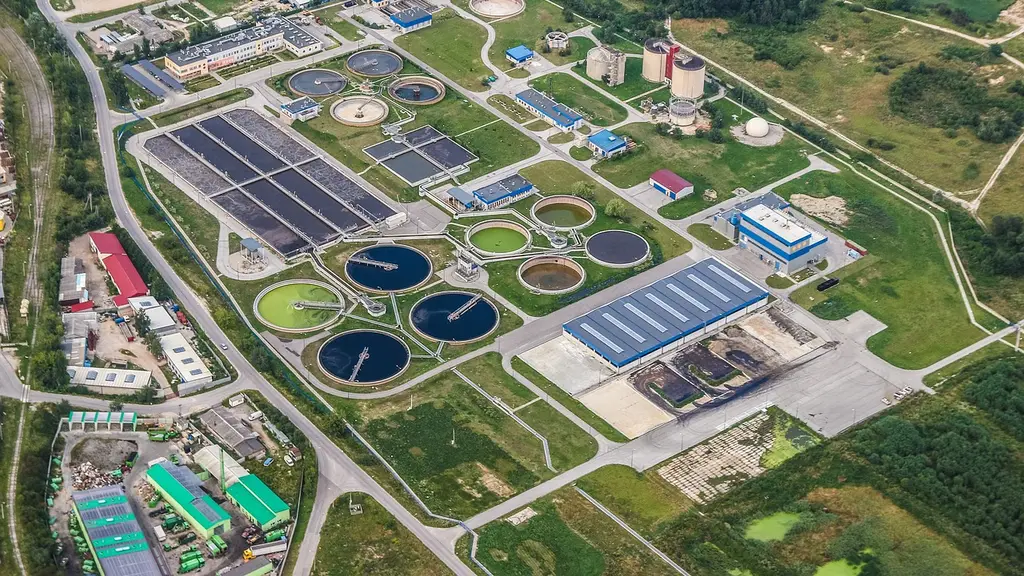
Why water services consume a significant share of electricity, how to calculate pumping and treatment energy, and where utilities find the largest savings.

How signal timing, coordination and adaptive control cut stops, idling and energy use, with worked examples, LED signal savings and bus and cycle priority.

What makes cycle networks get used: CROW, LTN 1/20 and NACTO principles, separation by traffic speed and volume, junctions, parking and the energy payoff.

City data platforms can link energy, mobility and environmental data. Architecture, open standards such as NGSI-LD, energy use cases and the common pitfalls.